Dutch campaign urges parents to talk as half of children 10–15 see upsetting content online
A Dutch government survey finds half of children aged 10–15 see upsetting content online, but many hide it from parents. A new campaign urges parents to talk early and without judgment, while the government pushes for a European minimum age for social media use.
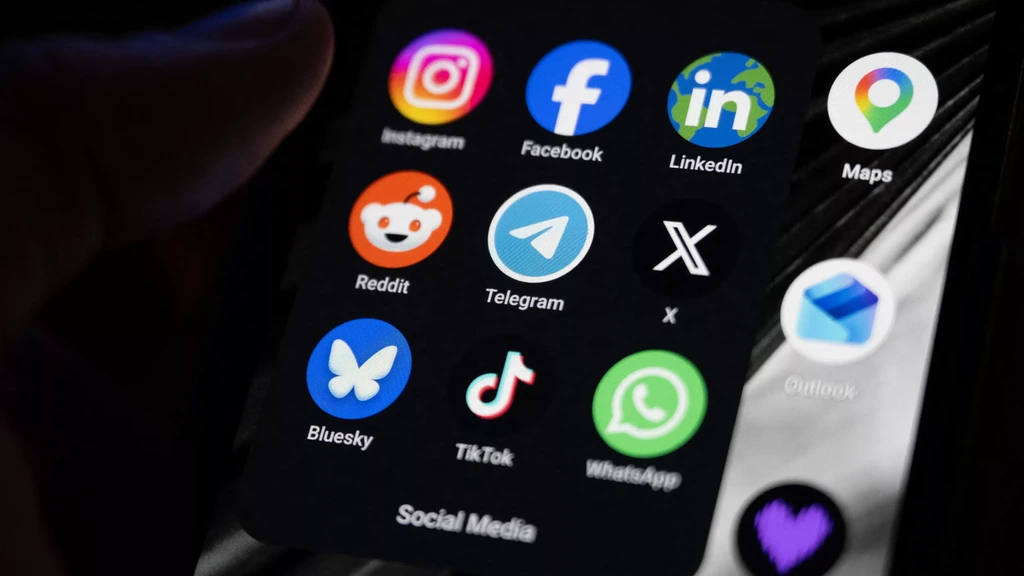
Half of Dutch children aged 10 to 15 sometimes see posts online that frighten or upset them, but many keep it to themselves out of shame or fear of an angry reaction, according to a government survey. The finding, released as junior digital economy minister Willemijn Aerdts launched a new phase of the government's Blijf in Beeld ("Stay in the picture") campaign, underscores the gap between what children experience on social media and what they tell their parents (DutchNews.nl, NOS).
The survey, commissioned by the ministry of economic affairs and climate (EZK), found that Dutch children now get their first smartphone at age 10 on average. When asked where they encounter unpleasant content, children most often named Snapchat and TikTok. The same platforms have been under fire for their addictive design and for hosting extreme or harmful material — including the new TikTok Shop, which critics have called a "toxic cocktail for impulse purchases" (NOS).
Aerdts said parents should start conversations early, before the influence of friends grows. "Be curious about what they see, including the nice and funny things," she said, arguing that this makes it easier for children to also raise the frightening or harmful side of social media. Parents should not judge children for what they do online, and should be open about their own use. The campaign, developed in part with children's helpline the Kindertelefoon, includes a printed card that parents and children fill in together. The ministry said 89.4% of children understood why rules on phone use mattered, and half said they welcomed them (DutchNews.nl).
Aerdts was blunt about platform accountability. "The online world is really not yet a safe place for children," she said, adding that this is why the government wants a minimum age for social media use agreed at European level rather than in national law. The Dutch cabinet is pursuing the European route, unlike countries such as France, which have introduced their own national legislation (NOS). This aligns with the European Commission's proposed EU Kids Act, which would restrict social media access for under-16s, including banning under-13s and limiting 13–15-year-olds to parent-controlled 'mini accounts' (as reported in earlier articles in this dossier).
The survey and campaign come at a time when platform accountability is under scrutiny on multiple fronts, including US states suing Meta over child safety and concerns about extremist content still circulating online. For now, the Dutch government is betting on a European-level minimum age, but the immediate challenge for parents is bridging the gap between what children see and what they share at home.
Sources
- 25/8 in Nieuwsuur: Afvalprobleem door windturbines • Rusland zet autonome AI-drone in • Zorgelijke trend social media August 25, 2026
- Veel kinderen zien nare berichten op socials, 'ouders moeten meer in gesprek' August 25, 2026
- Many Dutch children hide upsetting online posts from parents August 25, 2026
- Parents who lost children to social media harms question Meta settlement August 27, 2026
- Steekpartij bij station Amsterdam Centraal werd gelivestreamd op sociale media August 30, 2026
- Wekdienst 17/9: Dag 2 Algemene Beschouwingen • EU presenteert jongerenregels sociale media September 17, 2026
- EU announces plan to restrict social media access for children September 17, 2026
- Online bullying rising again; Kids using AI to humiliate each other, teachers October 8, 2026
- Inspiratiecontent van extreemrechtse aanslagplegers staat nog steeds online October 5, 2026
Part of the dossier
Children's Online Safety & Social Media Regulation →