EU Extends Russia Sanctions by a Week as Germany's Leipzig Blame Becomes a Test of Unity
The EU extended Russia sanctions by just seven days due to internal disputes over oligarchs Fridman and Usmanov. Kallas offered to take a call from Putin but not on his terms, while proposing visa restrictions. The Leipzig drone attack remains the catalyst for new deterrence talks.
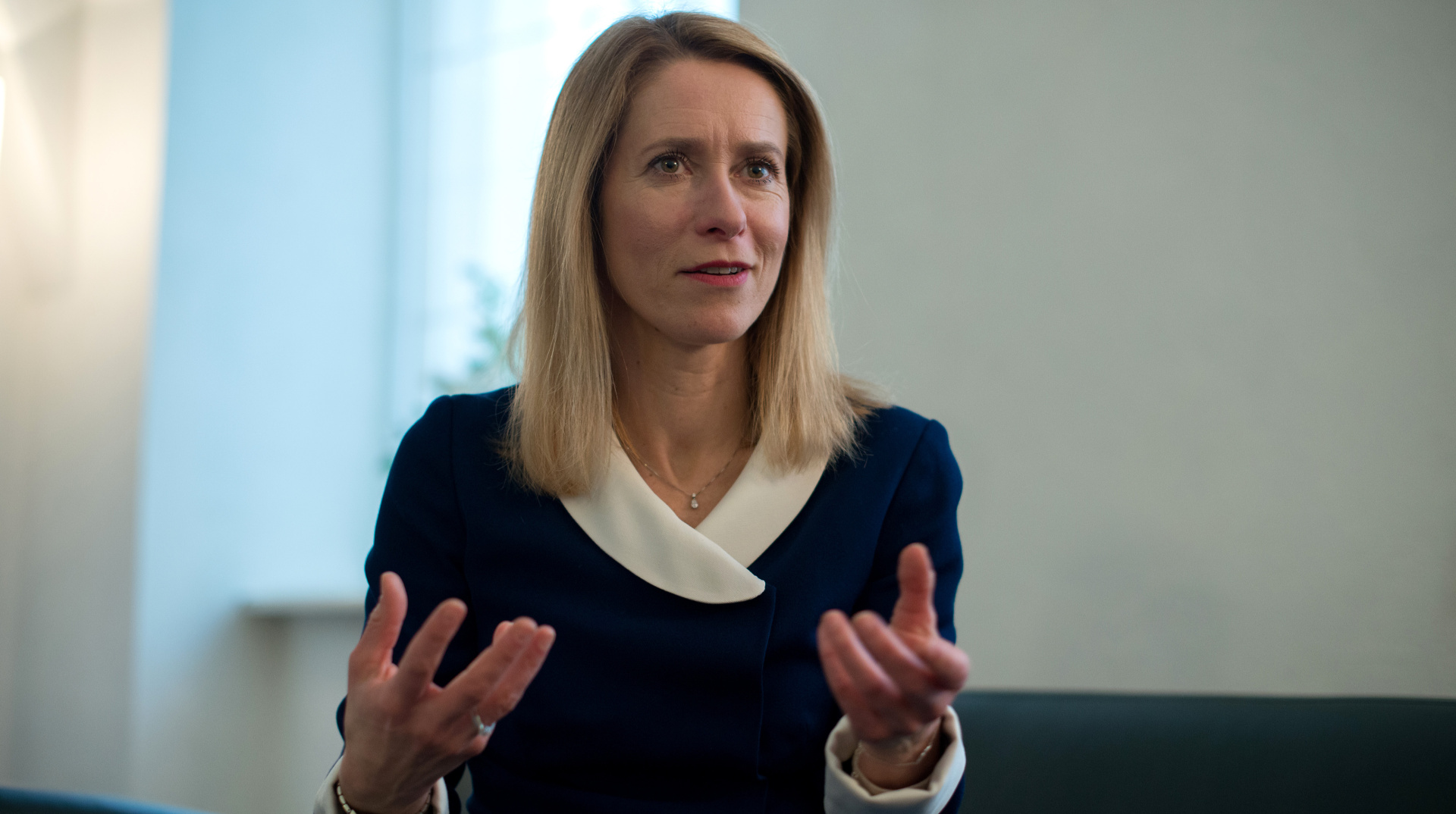
The European Union extended its Russia sanctions regime for just seven days on 14 September — the shortest extension on record — as Slovakia and France blocked a full renewal unless oligarchs Mikhail Fridman and Alisher Usmanov are removed from the list. The move comes barely a fortnight after Germany formally blamed Moscow for the August drone incident at Leipzig/Halle airport, an event EU foreign policy chief Kaja Kallas called "state sponsored terrorism" and a "wake-up call" for laggard member states.
For engineers building supply chains that depend on raw materials like alumina, the stalled sanctions on aluminium ore are the most concrete near-term signal. Ukraine’s Foreign Minister Andrii Sybiha has called for a full EU embargo on alumina and aluminium ore to Russia — inputs he says are "crucial for Russia's military-industrial complex, particularly its aerospace industry, missile production and armoured vehicle manufacturing" Source: Ukrainska Pravda. The EU has not yet acted on that demand, and the sanctions extension drama suggests internal divisions could delay any such move.
What Changed This Week
Sanctions extension in limbo. EU ambassadors in Brussels extended the sanctions regime covering violations of Ukraine’s territorial integrity by seven days — a stopgap that buys time while Slovakia and France push to delist the two oligarchs. Sybiha called the idea "difficult to understand — especially as Russia intensifies its terror" and argued that shorter renewals weaken deterrence Source: Ukrainska Pravda.
Kallas says she would take a call from Putin or Lavrov. In an interview with Finnish broadcaster Yle on 15 September, Kallas acknowledged she would answer a call from either Russian leader, but insisted talks cannot happen on Russia’s terms. She expressed scepticism about US envoy efforts led by Jared Kushner and Steve Witkoff, arguing the Kremlin simply waits for concessions. "If the aim is to end the war quickly, the simplest way is to force the victim to give up what it is defending,” she said, but that would not yield a just peace Source: Ukrainska Pravda.
Visa tightening proposed. In the same week, Kallas outlined measures to restrict movement of Russian diplomats within Schengen, ban visas for ex-combatants, and reduce tourist visas to Russian citizens. The goal is to "reduce the pool of people conducting attacks on European soil" Source: Ukrainska Pravda. For tech companies hiring globally, tighter visa rules for Russians could tighten the talent pipeline further.
Context for Technologists
The Leipzig drone incident — a device carrying explosives found near a Ukrainian Antonov cargo aircraft on 4 August — is the most dramatic instance yet of Russian hybrid activity near a logistics hub. The EU and France summoned Russian officials after Germany’s formal attribution Source: The Guardian.
For those engineering air-cargo systems or monitoring supply-chain security, the incident flags a new vector: drones with explosives targeting military-transport aircraft at civilian airports. The EU’s response — still in flux — will determine whether such threats trigger new screening rules or airspace restrictions.
Frozen Assets: Still Stuck
On 2 September, EU foreign ministers discussed using frozen Russian sovereign assets to support Ukraine, but Kallas confirmed only that "the discussion will continue" Source: Ukrainska Pravda. Belgium, which holds large Russian assets in Euroclear, has demanded guarantees against future legal challenges. Until that mechanism is resolved, the ~€300 billion pool remains locked — a problem for any startup relying on EU-funding frameworks tied to those assets.
Bottom Line
The Leipzig drone attack has exposed cracks in EU unity just as Ukraine pushes for tougher sanctions on aluminium and missiles. Kallas’s willingness to take a call from Moscow — but not on its terms — indicates the bloc is keeping diplomatic channels open while trying to maintain pressure. For the Tech Desk reader, the key dates are the next sanctions deadline (likely in seven days) and the EU’s final decision on alumina imports. Both will have direct effects on material costs and supply-chain risk assessments.
Sources
- Ukrainian foreign minister urges EU not to lift sanctions on Russian oligarchs September 14, 2026
- EU foreign policy chief suspects Russia behind drone incident in Leipzig September 1, 2026
- EU holds talks on response to Leipzig drone attack after Germany formally blames Moscow for incident – Europe live September 2, 2026
- EU foreign policy chief promises to continue discussion on using frozen Russian assets for Ukraine September 2, 2026
- Ukrainian foreign minister calls for full EU embargo on alumina and aluminium ore supplies to Russia September 2, 2026
- EU chief diplomat Kallas says she would answer call from Putin or Lavrov September 15, 2026
- EU foreign policy chief hopes US negotiators could see Russia's lack of interest in peace September 7, 2026
- Ukrainian foreign minister: Putin attacked Kyiv and killed people as soon as Trump's envoys left September 8, 2026
- EU chief diplomat Kallas says EU could tighten visa rules for Russians September 15, 2026
Part of the dossier
EU Accuses Russia of Drone Incident in Leipzig →