After Leipzig drone attack, EU hardens response to hybrid threats — and eyes new controls on critical infrastructure
After Germany blamed Russia for the August drone incident at Leipzig/Halle Airport, the EU is moving on an emergency security protocol, tighter visa rules, and sanctions disputes. The measures could reshape how critical infrastructure operators respond to hybrid attacks, with implications for drone tech and supply chains.
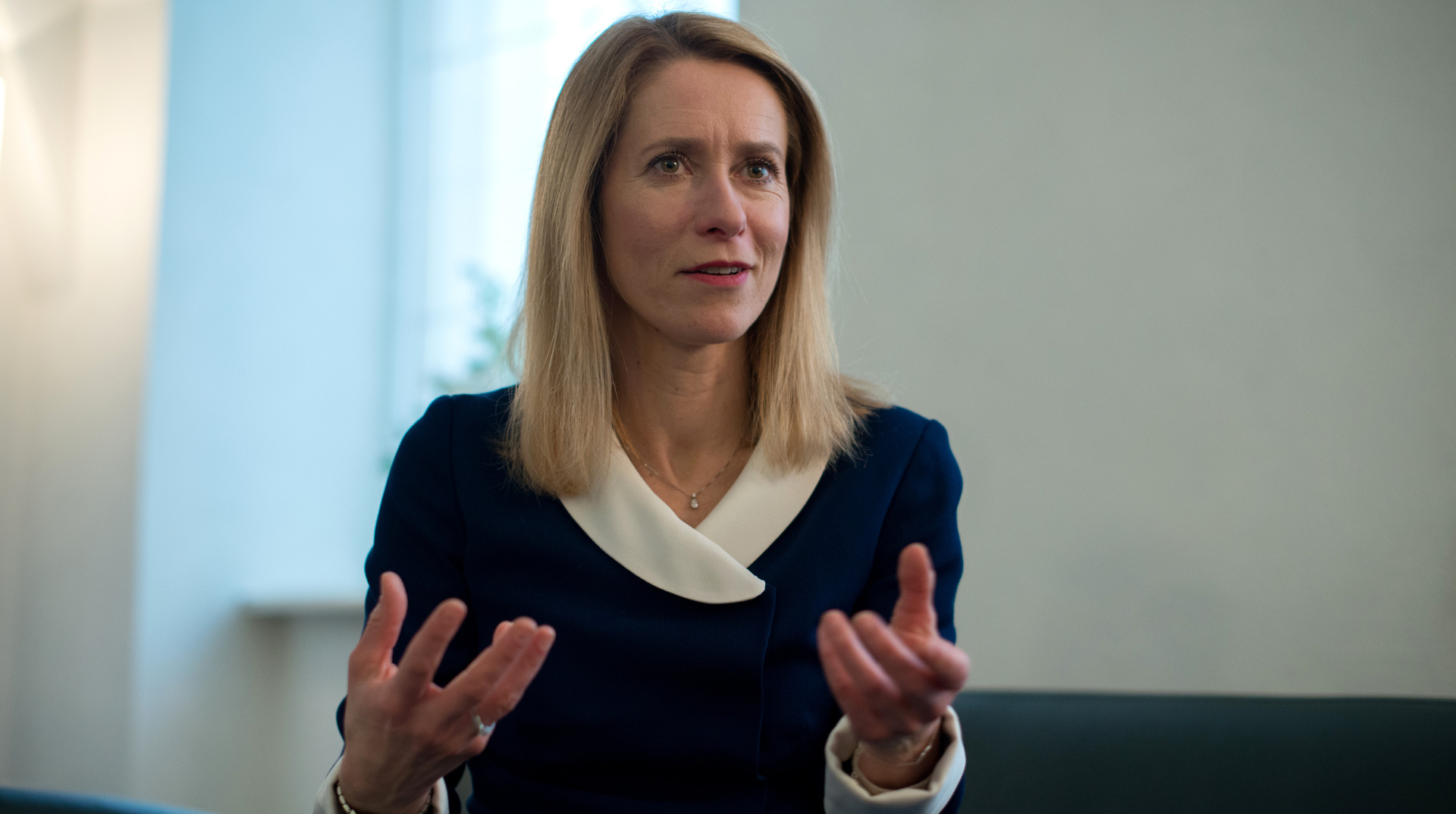
The EU is turning words into policy. Following Germany's formal attribution of the August drone incident at Leipzig/Halle Airport to Moscow, the bloc's defence ministers held a first-ever discussion on 28 September about a new emergency security protocol against Russian hybrid attacks — a mechanism that could reshape how European critical infrastructure responds to drone incursions, sabotage and airspace violations.
EU foreign policy chief Kaja Kallas described the initiative as a "coordination mechanism to respond to grey zone attacks and complement Article 42.7" of the EU treaty, which covers mutual defence. She noted that "Russia's sustained acts of sabotage, arson and airspace violations persist" and that the protocol would "provide the EU with a firmer response" while complementing NATO. The discussion, she said, was "very initial" and will continue at ambassador level (Ukrainska Pravda).
For engineers and operators of airports, power grids and logistics hubs, the protocol's eventual shape matters: it could impose notification requirements, common threat assessments, and perhaps shared response playbooks that have been tested against the Leipzig case. That incident — an explosive-laden drone discovered near a Ukrainian Antonov cargo aircraft used for military supply transport — has become the catalyst for a broader shift in European security thinking.
From suspicion to state-sponsored terrorism
The timeline is telling. On 1 September, Kallas publicly suspected Russian involvement, telling reporters in Wicklow, Ireland: "It's clear that Russia is also… Well, now I'm linking it directly. But let the Germans state what is behind [the incident]" (Ukrainska Pravda). The next day, Germany formally blamed Moscow, and Kallas called the attack "a wake-up call" for member states dragging their feet on sanctions (The Guardian). The EU and France summoned Russian officials in protest.
Sanctions: unity is fragile
The immediate challenge is holding together the sanctions regime. On 14 September, EU ambassadors extended personal sanctions for just seven days — a stopgap amid disputes over removing oligarchs Mikhail Fridman and Alisher Usmanov. Ukrainian Foreign Minister Andrii Sybiha pushed back, saying lifting sanctions would be "difficult to understand" and that Putin's enablers "must remain on the sanctions list" (Ukrainska Pravda). He also argued for extending personal sanctions from six to twelve months.
Sybiha has been the most vocal advocate for economic levers. At the informal Gymnich meeting in Ireland on 2 September, he called for a full EU embargo on alumina and aluminium ore supplies to Russia, arguing these raw materials are "crucial for Russia's military-industrial complex, particularly its aerospace industry, missile production and armoured vehicle manufacturing" (Ukrainska Pravda). That proposal has direct implications for European suppliers of aluminium inputs — and for downstream industries from aerospace to electronics.
Visa restrictions and frozen assets
Kallas has also proposed, in a 15 September statement to the European Parliament, tightening controls on Russian diplomats' movement within the Schengen area, banning visas for former Russian combatants, and reviewing tourist visas for Russian citizens — citing the need to "reduce the pool of people conducting attacks on European soil" (Ukrainska Pravda). Separately, she said she would accept a call from Putin or Lavrov if their leadership sought dialogue, but cautioned against negotiating on Russia's terms (Ukrainska Pravda).
The bloc also continues to debate using frozen Russian sovereign assets to finance Ukraine's defence. Kallas told reporters after the 2 September meeting that "discussion will continue," with Belgium still withholding full consent over legal risk concerns (Ukrainska Pravda).
The tech pivot: drones and critical infrastructure
Beyond sanctions, Ukraine is pushing for military-industrial integration. On 20 September, Sybiha visited Iceland to accelerate a "Drone Deal" — an agreement to co-develop and share drone technology, with Kyiv offering to share "experience in protecting critical infrastructure" (Ukrainska Pravda). For European tech firms, this signals a market for counter-drone systems, sensor networks, and airspace management tools that could be standardized across the EU.
Kallas has also warned that Russia is deliberately exploiting migration — via a Black Sea blockade-induced food crisis — to destabilise European elections (Ukrainska Pravda). That adds a non-military vector to the threat landscape.
What changes for Europe's build-back
The emerging picture is an EU that is slowly abandoning its reactive posture. The Leipzig drone attack, while not a single-point technical breakthrough, exposed a vulnerability that any security engineer could have predicted: a cargo hub, a drone, and a few kilograms of explosives. The response is not just diplomatic — it's infrastructure policy. The upcoming protocol, if implemented, could become the reference framework for hardening airports, power substations, and industrial sites against grey-zone attacks. For companies operating in Europe, understanding the protocol's requirements may soon be as important as understanding GDPR.
The EU's moves are also a signal to NATO allies and to US negotiators that Europe intends to act independently on hybrid threats. As Kallas said on 1 September: "What we see in other countries is that the Russians are provoking more and more. So the question for us is what do we do about this to deter them from going any further." The answers are now taking shape.
Sources
- Ukrainian foreign minister urges EU not to lift sanctions on Russian oligarchs September 14, 2026
- EU foreign policy chief suspects Russia behind drone incident in Leipzig September 1, 2026
- EU holds talks on response to Leipzig drone attack after Germany formally blames Moscow for incident – Europe live September 2, 2026
- Ukrainian foreign minister: Putin seeks to trigger migration to Europe by causing food crisis September 16, 2026
- EU foreign policy chief promises to continue discussion on using frozen Russian assets for Ukraine September 2, 2026
- Ukrainian foreign minister calls for full EU embargo on alumina and aluminium ore supplies to Russia September 2, 2026
- EU chief diplomat Kallas says she would answer call from Putin or Lavrov September 15, 2026
- EU foreign policy chief hopes US negotiators could see Russia's lack of interest in peace September 7, 2026
- Ukrainian foreign minister: Putin attacked Kyiv and killed people as soon as Trump's envoys left September 8, 2026
- EU chief diplomat Kallas says EU could tighten visa rules for Russians September 15, 2026
- Ukrainian foreign minister discusses signing Drone Deal during Iceland visit September 20, 2026
- EU prepares new security protocol against threats from Russia September 28, 2026
Part of the dossier
EU Accuses Russia of Drone Incident in Leipzig →