EU moves toward new sanctions after Germany blames Russia for Leipzig drone attack; Ukraine pushes for alumina embargo
EU formally accuses Russia of a drone attack at Leipzig airport. Germany blames Moscow. Ukraine calls for a full embargo on alumina and aluminium ore to Russia.
The European Union is preparing a political response to the drone incident at Leipzig/Halle Airport last month, after Germany formally accused Moscow of orchestrating the attack. EU foreign policy chief Kaja Kallas described the incident as having "all the hallmarks of state sponsored terrorism" during informal talks with EU foreign ministers in Wicklow, Ireland, on 2 September 2026 Source 3: The Guardian.
On 4 August, a drone carrying explosives was discovered near a Ukrainian Antonov cargo aircraft at Leipzig/Halle Airport. The aircraft was used to transport military supplies. German authorities have since concluded that Russian intelligence services were behind the incident Source 2: Ukrainska Pravda.
Kallas, speaking before the ministerial meeting, said the attack should serve as a "wake-up call" for EU member states that have been slow to impose further sanctions on Russia. "If we want to end this war, we all have to focus our efforts, take it to a new level," she told reporters Source 3: The Guardian. The EU and France have also summoned senior Russian officials to protest against the attack.
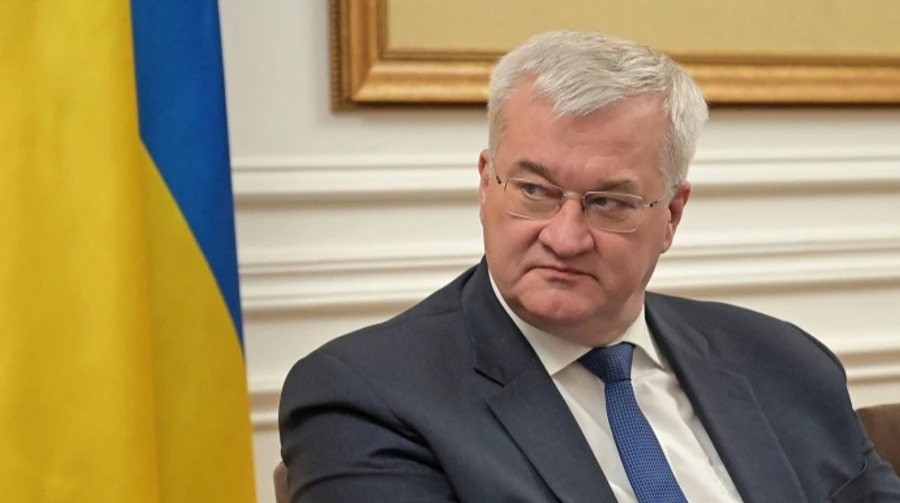
Separately, Ukrainian Foreign Minister Andrii Sybiha used the informal Gymnich meeting in Ireland to call for a full EU embargo on supplies of alumina and aluminium ore to Russia. According to the Ukrainian Foreign Ministry, Sybiha argued that these raw materials are "crucial for Russia's military-industrial complex, particularly its aerospace industry, missile production and armoured vehicle manufacturing" Source 1: Ukrainska Pravda.
"Cutting Russia off from alumina will directly reduce its ability to produce weapons," the ministry said in a statement. Sybiha also proposed targeted sanctions against Russia's ballistic missile production, restrictions on the Rassvet satellite system, and stronger measures against Russia's shadow fleet, Rosatom and Roscosmos. He called for strict limits on Russian citizens travelling to Europe to counter acts of sabotage.
The Leipzig incident has sharpened the debate within the EU about how to respond to Russian hybrid warfare on European soil. German Foreign Minister Johann Wadephul briefed his EU counterparts on the investigation's findings and promised a measured but firm response Source 2: Ukrainska Pravda. Kallas said the discussions would also cover how the EU can further help Ukraine as "Russia is escalating and killing the civilians and causing as much harm as they can."
Later on 2 September, European Commission President Ursula von der Leyen is scheduled to meet NATO Secretary General Mark Rutte, with the Leipzig attack and Ukraine high on the agenda Source 3: The Guardian.
For engineers and supply chain professionals, the incident underscores the vulnerability of critical logistics infrastructure to drone attacks, especially near airports handling military cargo. The push for an alumina embargo could directly affect global aluminium supply chains, as Russia is a major producer. Any disruption to Russian alumina exports would force downstream buyers to seek alternative sources, potentially raising costs for European manufacturers who rely on aluminium imports.
The EU has not yet announced specific retaliatory measures, but the political momentum for tougher sanctions is building. Whether the bloc will adopt a full alumina embargo remains an open question, as some member states have previously resisted cutting off Russian raw materials entirely.
Sources
- EU foreign policy chief suspects Russia behind drone incident in Leipzig September 1, 2026
- EU holds talks on response to Leipzig drone attack after Germany formally blames Moscow for incident – Europe live September 2, 2026
- Ukrainian foreign minister calls for full EU embargo on alumina and aluminium ore supplies to Russia September 2, 2026
Part of the dossier
EU Accuses Russia of Drone Incident in Leipzig →