EU weighs alumina embargo and missile-production sanctions after Leipzig drone attack
EU foreign ministers met in Wicklow after Germany blamed Russia for the Leipzig drone attack. Ukraine pushed for a full alumina embargo, missile-production sanctions and measures against the Rassvet satellite system. No final package yet, but the Commission faces pressure to act.
The EU is moving toward a new round of Russia sanctions after Germany formally blamed Moscow for an August drone incident at Leipzig/Halle Airport — and Ukraine is using the moment to push for measures that would hit Russia's aerospace and missile supply chains directly.
At an informal meeting of EU foreign ministers in Wicklow, Ireland, on 2 September, Ukrainian Foreign Minister Andrii Sybiha called for a full EU embargo on alumina and aluminium ore exports to Russia. His ministry argued the raw materials are critical to Russia's military-industrial complex, including its aerospace industry, missile production and armoured vehicle manufacturing. Ukrainska Pravda reported on the proposal, with Sybiha's office stating: "Cutting Russia off from alumina will directly reduce its ability to produce weapons."
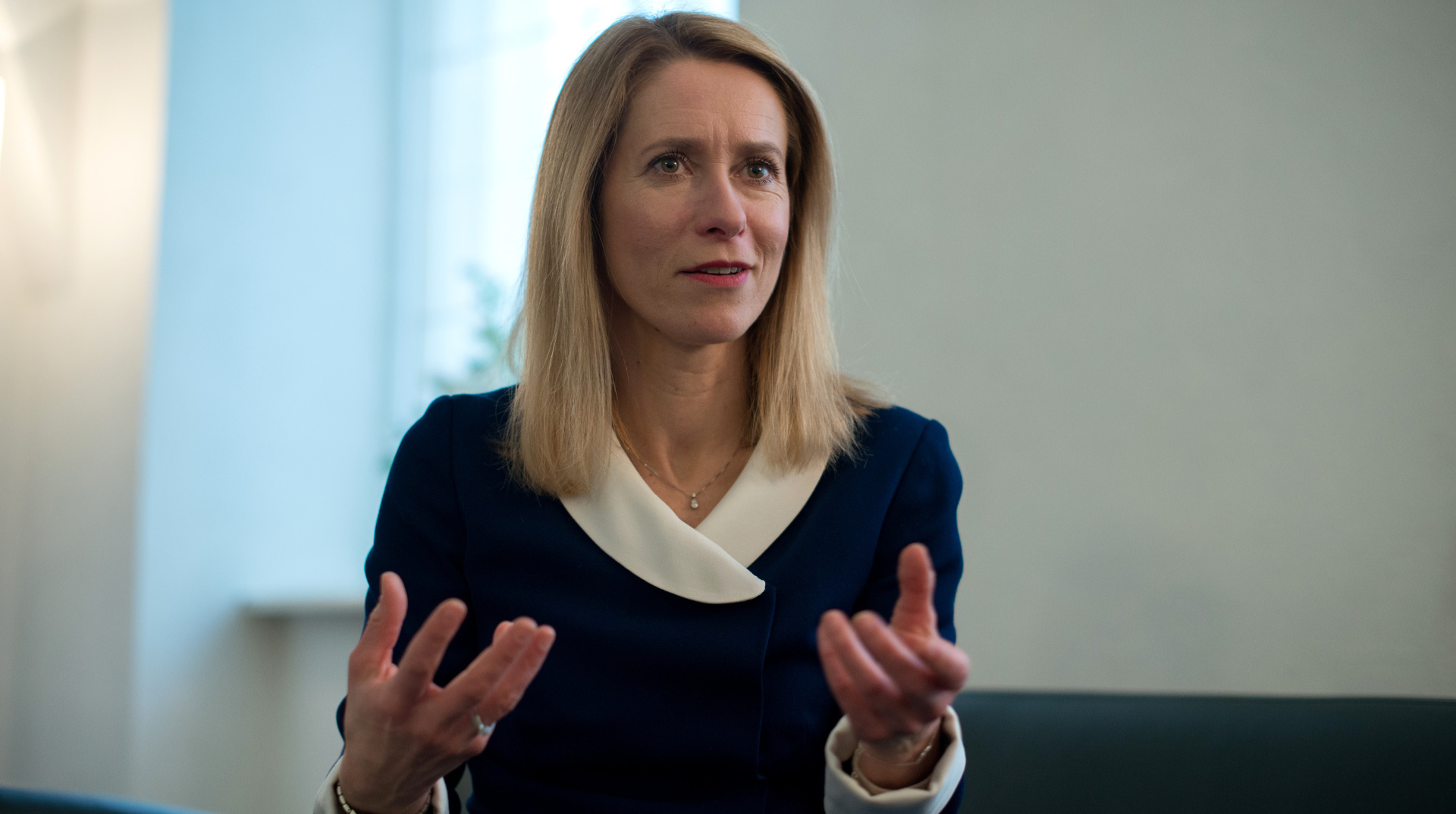
The meeting was called after Germany formally accused Russian secret services of involvement in the 4 August incident, in which a drone carrying explosives was discovered near a Ukrainian Antonov cargo aircraft at Leipzig/Halle Airport — the hub in eastern Germany routinely used to move military supplies. EU foreign policy chief Kaja Kallas said the attack "had all the hallmarks of state sponsored terrorism," according to The Guardian's live coverage of the summit. The EU and France also summoned top Russian officials to protest.
Kallas framed the incident as a "wake-up call" for member states that have been reluctant to expand sanctions. "If we want to end this war, we all have to focus our efforts, take it to a new level," she said. Her own suspicion of Russian involvement was already public the day before Germany's formal statement. Kallas told reporters on 1 September that the question for EU members was not who did it, but "what we do about this to deter them from going any further."
Ukraine's proposed package goes beyond alumina. Sybiha also called for targeted sanctions against Russia's ballistic missile production, restrictions on specific Russian legal entities and individuals, and measures against the Rassvet satellite system. The list includes tougher action on Russia's shadow fleet, sanctions on Rosatom and Roscosmos, and restrictions on Russian citizens travelling to Europe, citing sabotage concerns.
For engineers and founders tracking supply chains, the alumina angle matters beyond geopolitics. While the EU has sanctioned Russian aluminium imports, it has not previously barred European exports of alumina — the feedstock refined into aluminium — to Russia. A full embargo would cut a revenue stream Moscow uses to keep its aerospace and missile plants running, but it could also ripple through global aluminium markets, where Russia's Rusal remains a major producer.
Similarly, sanctions targeting Rassvet, a Russian satellite communications system, would extend restrictions into space-based infrastructure. The EU has already sanctioned several Russian space entities; adding Rassvet would tighten the squeeze on Russian military logistics that rely on domestic satellite links.
The Leipzig incident itself also puts a spotlight on physical security at civilian cargo hubs. A drone carrying explosives reaching a Ukrainian military cargo aircraft at a major European airport is a reminder that logistics infrastructure — the kind startups build on — is now inside the conflict zone of hybrid warfare. Detection, airspace security and cargo tracking are becoming operational requirements, not just regulatory ones.
On frozen Russian assets, Kallas confirmed after the Wicklow talks that discussions continue. "Some ministers also raised again the use of immobilised Russian assets," she said, adding that "Russia must pay for destruction it has caused." European Pravda reported that Belgium remains a holdout, concerned about legal exposure if Russia successfully challenges a transfer in court.
No specific sanctions package was formally adopted in Wicklow. The next concrete step will likely come from the European Commission, which is under pressure from Sweden, the Netherlands, Spain and Poland to move faster — both on assets and on the broader response to what Kallas called "state-sponsored terrorism" on EU soil.
Sources
- EU foreign policy chief suspects Russia behind drone incident in Leipzig September 1, 2026
- EU holds talks on response to Leipzig drone attack after Germany formally blames Moscow for incident – Europe live September 2, 2026
- EU foreign policy chief promises to continue discussion on using frozen Russian assets for Ukraine September 2, 2026
- Ukrainian foreign minister calls for full EU embargo on alumina and aluminium ore supplies to Russia September 2, 2026
- EU foreign policy chief hopes US negotiators could see Russia's lack of interest in peace September 7, 2026
- Ukrainian foreign minister: Putin attacked Kyiv and killed people as soon as Trump's envoys left September 8, 2026
Part of the dossier
EU Accuses Russia of Drone Incident in Leipzig →