Germany Prepares Sanctions After Drone With Military Explosive Found at Leipzig Airport
An explosive-laden drone found at Leipzig Airport on 4 August failed to detonate; investigators found traces of military explosive hexogen. Chancellor Merz is coordinating with EU and NATO allies on a response expected within days, likely blaming Russia and imposing tougher sanctions.
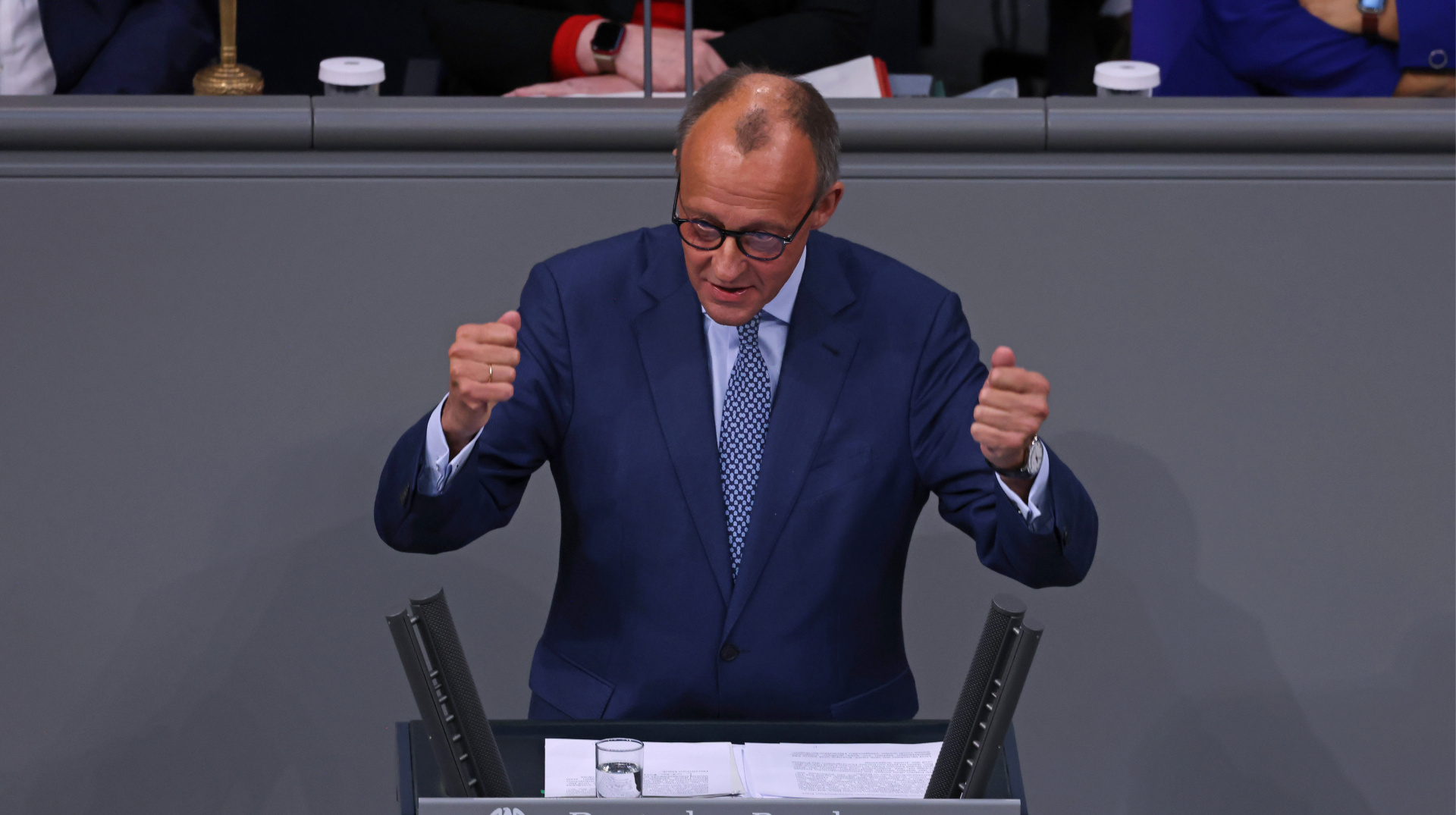
Germany is preparing a coordinated response with EU and NATO allies after an explosive-laden drone was discovered at Leipzig/Halle Airport on 4 August, with Chancellor Friedrich Merz confirming on 31 August that a final agreement is due in days. While Berlin has not publicly named Russia, multiple media reports indicate the government plans to formally hold Moscow responsible and impose new sanctions — a move that one source described to Politico as a potential 'Zeitenwende 2.0'.
The incident itself was far from a run-of-the-mill security breach. According to German public broadcasters NDR, WDR and Süddeutsche Zeitung, the drone carried the military explosive hexogen, and investigators have since found a third drone near the airport. The first drone failed to detonate due to a faulty detonator, allowing police to defuse it. A second drone may have collided with a cargo aircraft, though damage assessments have not been made public. The airport is a key logistics hub for the German military, NATO allies, and Ukraine's Antonov Airlines, as well as a major DHL sorting centre.
Chancellor Merz first warned that attackers would 'pay a price' on 25 August, calling the threat 'very real'. On 29 August, Politico reported that Merz planned to blame Russia and respond with sanctions, possibly announced at the EU Foreign Affairs Council meeting in Ireland. Two days later, Merz confirmed the coordination: 'It has been agreed upon, and final agreement is due to be reached in the next few days with the European Union and our NATO partners. It will be a response from Germany, but our partners in the European Union and NATO will not be taken by surprise.'
Sources told Politico that Berlin considers expelling diplomats or closing the Russian House in Berlin insufficient. Instead, the response is expected to involve 'significantly tougher sanctions' or further increases in military assistance to Ukraine. Moscow has denied involvement, and Germany has not made a direct accusation publicly — though security authorities reportedly have 'almost no doubt' that Russia was behind the drone.
For engineers and operators in logistics, aviation, and defense, the incident highlights a growing vulnerability: low-cost drones can penetrate sensitive airport perimeters, even near high-value military cargo. The use of hexogen — a military-grade explosive — suggests state-level capability. The failed detonator may have been a lucky break, but the second drone's possible collision with an aircraft underscores how close the attack came to causing casualties and major disruption.
What happens next will be closely watched by the tech and defense sectors. If Germany follows through with sanctions or increased aid to Ukraine, it could tighten supply chains and affect companies operating in both countries. The 'Zeitenwende 2.0' label, if it sticks, signals a structural shift in German security policy — one that will likely mean more funding for drone countermeasures and stricter airspace controls at civilian airports handling military traffic.
Sources:
Sources
Part of the dossier
Drone Attack on Leipzig Airport →