Poland's Airspace Under Pressure: Drones, Scrambles, and the New Normal for Eastern European Operations
Poland scrambled fighter jets and closed airports for two consecutive days as Russian jet-powered drones struck near its border. Prime Minister Tusk warns of planned hybrid attacks against NATO members. For tech operations, airspace closures and border security disruptions are becoming the new normal.
For the second consecutive day, Poland scrambled fighter jets and suspended operations at Lublin and Rzeszów airports on 17 September as Russian jet-powered drones struck western Ukraine. The closures — triggered by Russian attack UAVs tracked near Kovel and Volyn Oblast — forced civilian air traffic to halt while Polish F-16s and helicopters patrolled the eastern border. Deputy Defence Minister Cezary Tomczyk confirmed that pilots had pre-authorisation to shoot down any drone that crossed into Polish airspace, a departure from peacetime rules of engagement (Source 25).
This is not an isolated incident. On 14 September, Polish prosecutors confirmed that a Russian Gerbera-2 drone found on the Baltic coast carried a fragmentation warhead and detonator (Source 18). On 17 September, a drone crashed near the Dorohusk-Yahodyn border crossing, close to a petrol station that had been struck days earlier (Source 21). The Polish military activated ground-based air defence and radar systems on high alert (Source 27).
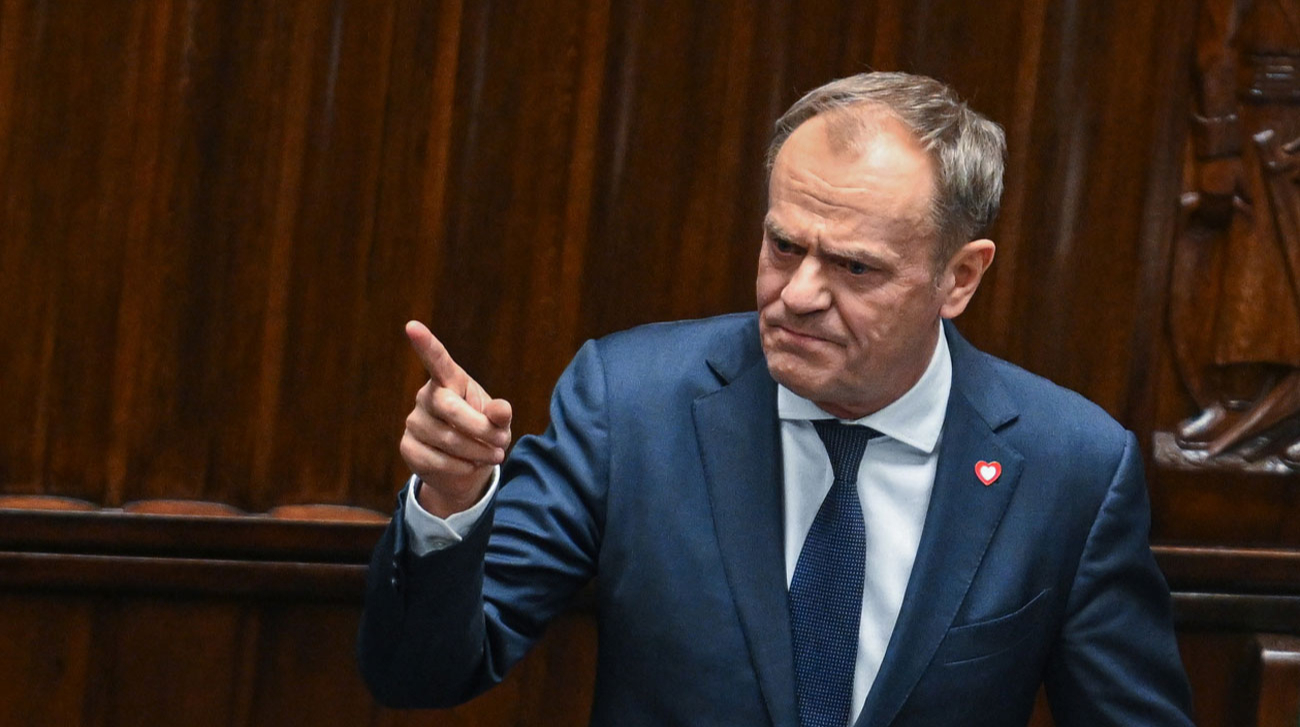
Prime Minister Donald Tusk said intelligence indicates Russia is preparing “hybrid attacks involving drones and missiles against countries that support Ukraine, including Poland” (Source 26). He warned that Moscow will likely frame any incursion as an “accident” to test NATO’s Article 5 resolve. Defence Minister Władysław Kosiniak-Kamysz announced an increase in air force activity, including additional F-16 patrols and helicopter deployments (Source 24).
For tech operations reliant on Eastern European logistics, the implications are concrete. Airspace closures at Rzeszów — a key cargo hub for military and humanitarian aid — disrupt supply chains. Border crossings near Dorohusk and Yahodyn have been targeted, and Tusk said Poland will reinforce security at checkpoints to prevent vehicle congestion that could become a target (Source 17). The repeated scrambles also strain civilian aviation: pilots now face pre-authorisation rules that could change flight planning for any operator flying near Polish airspace.
Tusk plans to visit Ukraine on 18 September to discuss sanctions with Slovak Prime Minister Robert Fico, amid French and Slovak resistance to extending penalties against Russian oligarchs (Source 23). Foreign Minister Radosław Sikorski, fresh from Kyiv, argued that European NATO air forces could destroy half of Russia’s oil refineries without US involvement — a signal that Poland is pushing for a more assertive posture (Source 16).
The next six months, Tusk said, will be decisive. For companies with assets or personnel in Eastern Europe, the pattern is now clear: Russian drones will keep testing Polish airspace, airports will keep closing, and the cost of doing business near the border will keep rising.
Sources
- Polish PM: Russia is preparing for escalation, next 7–8 months will be critical August 29, 2026
- Putin orders military to plan for offensive towards Kyiv and Chernihiv August 29, 2026
- Polish PM speaks with NATO chief about possible Russian preparations for provocations against NATO states August 29, 2026
- "He's a fascist": Polish foreign minister reacts to far-right politician Braun damaging UPA memorial September 16, 2026
- Poland had to warn residents of Russian drone attack on Ukraine August 30, 2026
- Polish fighter jets intercept Russian reconnaissance aircraft August 31, 2026
- Kremlin claims Putin and Xi barely discussed war against Ukraine, saying it came up "as a refrain" August 31, 2026
- Polish PM convinced fire at Polish drone factory was sabotage September 2, 2026
- Polish fighter jets intercept Russian reconnaissance aircraft threatening civil aviation September 3, 2026
- Poland to restrict air traffic over east of country until 9 December to facilitate air defence operations September 3, 2026
- Poland says it lost about €113.5bn due to war in Ukraine September 10, 2026
- Polish PM: Poland expects Russia may attack border crossing points with Ukraine September 10, 2026
- Polish foreign minister arrives in Kyiv September 11, 2026
- Polish PM convenes special meeting over Russian strikes near border September 13, 2026
- Polish PM warns of possibility of more serious Russian attacks in Poland September 13, 2026
- Poland, Ukraine accuse Russia of ‘escalation’ after strikes near border September 13, 2026
- Polish foreign minister: NATO forces could destroy half of Russia's oil refineries without US involvement September 14, 2026
- Poland scrambles jets and closes airports due to Russian attacks on Ukraine's west September 16, 2026
- Polish prosecutors say drone found on beach carried warhead September 16, 2026
- Poland scrambles jets amid Russian drone attack on Ukraine, explosions heard near border September 17, 2026
- "There was a very powerful explosion": Polish PM says drone crashed near country's border September 17, 2026
- Polish airports suspend operations for second day running amid Russian drone attacks on Ukraine September 17, 2026
- Polish PM Tusk to visit Ukraine on Friday: to meet Slovak PM and discuss sanctions against Russia September 17, 2026
- Poland strengthens air defence amid latest Russian provocations September 17, 2026
- Polish Defence Ministry says its military was ready to shoot down Russian drone near border September 17, 2026
- Polish PM believes Russia is preparing hybrid attacks against countries supporting Ukraine September 17, 2026
- Poland scrambles aircraft for second time in a day due to Russian attacks on Ukraine September 17, 2026
Part of the dossier
Poland warns of Russian escalation →