Poland Warns of Russian Escalation Window as Sabotage, Recon Flights, and Airspace Restrictions Signal Rising Threat
Poland warns Russia is preparing for escalation within 7-8 months. A drone factory fire was sabotage; fighter jets intercepted Russian recon aircraft. Poland restricts air traffic over its east until December. Ukraine confirms Russia ordered planning for offensives toward Kyiv and Chernihiv, but no offensive force yet detected.
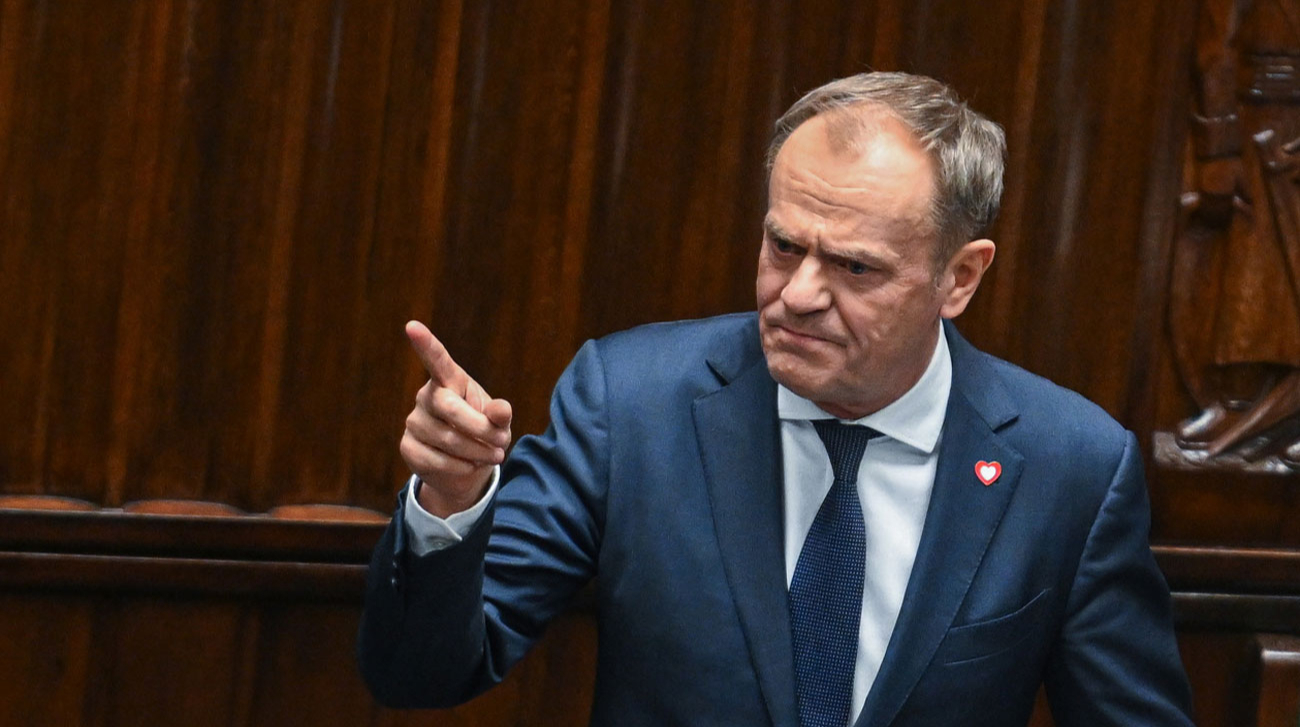
Polish Prime Minister Donald Tusk has warned that Russia appears to be preparing a significant escalation within the next seven to eight months, with autumn and winter expected to be pivotal for the war in Ukraine and regional security. Speaking on September 2, Tusk said a fire at a drone component factory in Skarżysko-Kamienna was "deliberate arson, an act of sabotage" (Source: Ukrainska Pravda). A separate fire at a JFG Composites facility in Lublin, which supplies aerospace components, is also under investigation as possible arson.
The warning comes amid a string of incidents that point to an intensifying hybrid campaign. On August 31, Polish fighter jets intercepted a Russian Il-20 reconnaissance aircraft 30 km north of Łeba over the Baltic Sea (Source: Ukrainska Pravda). A day later, another Russian reconnaissance aircraft threatened civil aviation, prompting a second interception (Source: Ukrainska Pravda). Poland also issued a civilian alert on August 30 warning residents of Lublin Voivodeship about a Russian drone attack on western Ukraine, later canceling the alert after the attack concluded (Source: Ukrainska Pravda).
In response, Poland announced on September 3 that it will restrict air traffic over the eastern part of the country until December 9 to facilitate air defense operations (Source: Ukrainska Pravda). The measure is likely to affect commercial flights and drone operations in the region.
Tusk confirmed he had spoken with NATO Secretary General Mark Rutte about the escalating situation. "The possibility of Russian provocations against a NATO member cannot be ruled out," Tusk said (Source: Ukrainska Pravda). He called for Ukraine to receive greater air support, arguing it is also important for Poland's own security.
Ukraine's Deputy Head of the Office of the President, Pavlo Palisa, told journalists on August 29 that intelligence had verified that Russia's political leadership ordered military planners to prepare scenarios for possible offensives toward Kyiv and Chernihiv (Source: Ukrainska Pravda). However, he stressed that no offensive force had yet been formed in those areas. Ukraine's General Staff has drafted response and defense plans.
Meanwhile, the Kremlin has sought to downplay the scope of discussions between Vladimir Putin and Xi Jinping during a recent meeting, with spokesman Dmitry Peskov claiming the war in Ukraine was discussed only "as a refrain" (Source: Ukrainska Pravda). Given China's role as a key supplier of dual-use technologies and components for Russian weapons, engineers and procurement teams should track any shifts in export controls that could affect supply chains.
Implications for the tech and engineering community:
- Airspace restrictions over eastern Poland through December will affect drone testing, delivery logistics, and any flights supporting infrastructure projects near the border. Teams should plan alternative routing or schedule operations outside the restricted zones.
- Sabotage risks for defense-oriented manufacturing: the fire at WB Electronics' drone component facility is a concrete reminder that production sites handling sensitive technology may face physical threats. Companies with facilities in Poland — especially those involved in UAV or aerospace supply chains — should review security protocols and consider distributed production models.
- Reconnaissance flights over the Baltic suggest that Russian forces are actively mapping NATO air defenses. For firms developing EW or radar systems, this is a signal that their systems may be tested in real-world conditions sooner rather than later.
- Readiness for escalation: with a seven-month window before potential large-scale operations, procurement teams for European defense ministries and allied forces should expect accelerated demand for counter-UAV systems, air defense components, secure communications gear, and mobile power solutions. Engineers should prioritize modular, field-repairable designs.
- Sanctions and supply chain stability: the possibility of NATO-Russia escalation could trigger new export controls on electronics, chips, and precision manufacturing equipment. Companies should audit their supply chains for single points of failure in Eastern Europe and consider stockpiling critical components.
Tusk linked the sabotage fires to a broader pattern of Russian efforts to destabilize the region, noting that the coming months will be decisive for the war and for European security. For the tech industry, this is not a speculative risk — it is a present operational constraint.
Sources
- Polish PM: Russia is preparing for escalation, next 7–8 months will be critical August 29, 2026
- Putin orders military to plan for offensive towards Kyiv and Chernihiv August 29, 2026
- Polish PM speaks with NATO chief about possible Russian preparations for provocations against NATO states August 29, 2026
- Poland had to warn residents of Russian drone attack on Ukraine August 30, 2026
- Polish fighter jets intercept Russian reconnaissance aircraft August 31, 2026
- Kremlin claims Putin and Xi barely discussed war against Ukraine, saying it came up "as a refrain" August 31, 2026
- Polish PM convinced fire at Polish drone factory was sabotage September 2, 2026
- Polish fighter jets intercept Russian reconnaissance aircraft threatening civil aviation September 3, 2026
- Poland to restrict air traffic over east of country until 9 December to facilitate air defence operations September 3, 2026
Part of the dossier
Poland warns of Russian escalation →