Poland and Ukraine Warn of Russian Escalation Planning; No Offensive Force Yet Detected
Polish PM Tusk warns Russia is preparing for escalation within 7-8 months; Ukraine confirms Moscow ordered planning for operations toward Kyiv and Chernihiv but has not yet formed an offensive force. The warnings carry implications for European security and tech infrastructure.
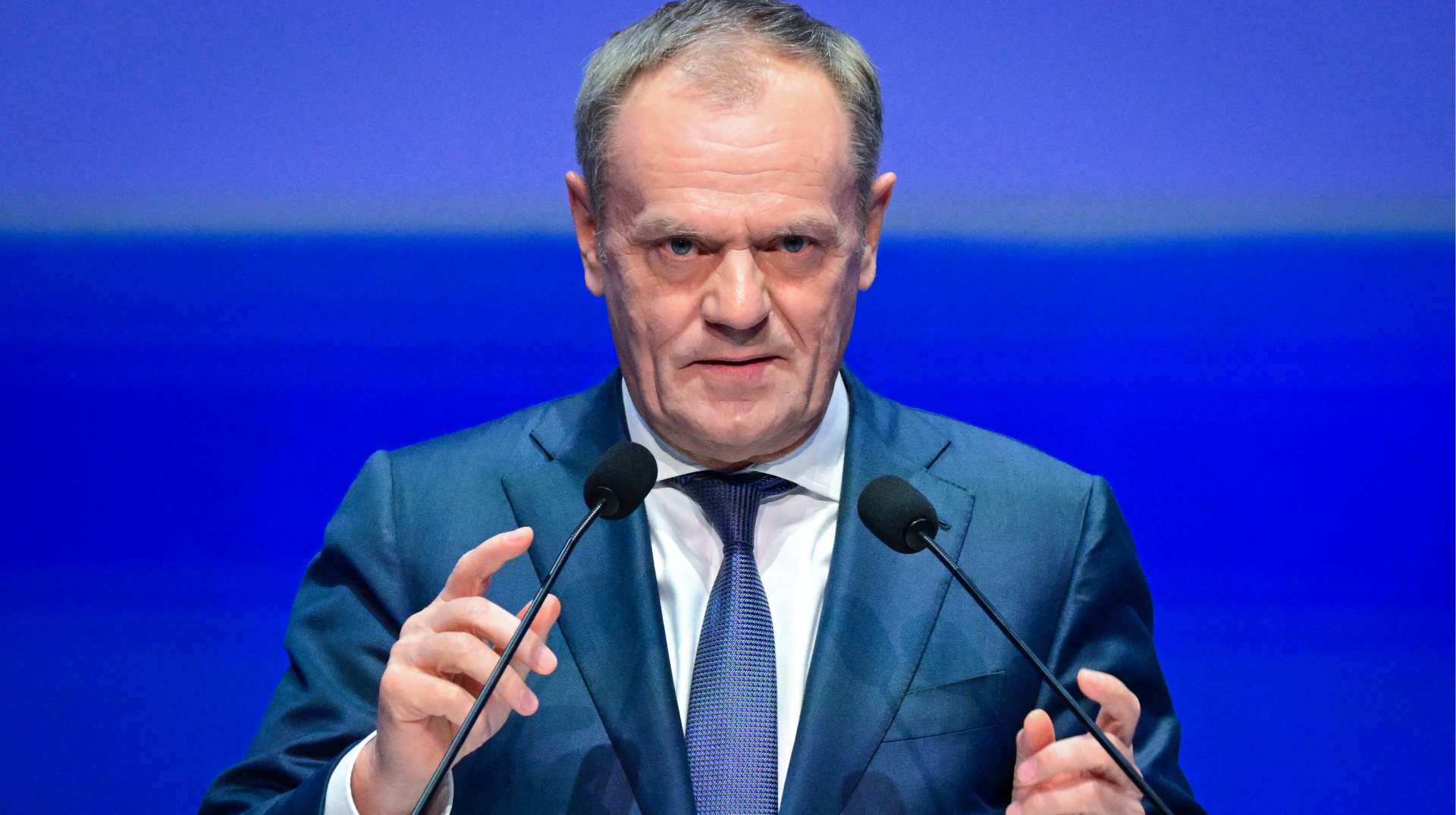
Polish Prime Minister Donald Tusk has gone public with a stark assessment: Russia is "seriously preparing for an escalation" that could unfold within the next seven to eight months, making the coming autumn and winter critical for Ukraine, Poland, and the wider region. Speaking after a conversation with NATO Secretary General Mark Rutte, Tusk said the alliance must be ready for "various scenarios," including provocations against a NATO member state.
Tusk's warning, reported by Ukrainska Pravda, was accompanied by a call for greater air support for Ukraine — a capability he framed as essential not only for Kyiv but for Poland's own security. "The next six months will be decisive," Tusk wrote on X. "We – as Poland and as NATO – must be prepared."
The Polish prime minister linked his assessment to recent public signals from Russia, including the visit of CIA Director John Ratcliffe to Moscow. While Tusk declined to discuss classified details, he said Poland had been in constant contact with CIA leadership and was not caught off guard. Politico reported that Ratcliffe warned Russian officials not to escalate against NATO allies, particularly the Baltic states. US President Donald Trump later described the trip as "semi-routine" but acknowledged its purpose was to help end the war.
Separately, Ukrainian Deputy Head of the Office of the President Pavlo Palisa confirmed that Ukraine's intelligence services have verified information that Russia's political leadership has ordered its military to plan possible offensive operations toward Kyiv and Chernihiv. However, Palisa stressed a critical distinction: planning is not preparation. "We do not see the formation of an offensive force in these areas," he told journalists, as reported by Ukrainska Pravda. Ukraine's General Staff has already developed response and defense scenarios in case the plans materialize.
For the Tech Desk audience, the implications extend beyond the battlefield. A Russian escalation — even if confined to planning and psychological pressure — introduces significant geopolitical risk for European infrastructure, energy grids, and the tech supply chains that run through Poland and the Baltic states. Companies with data centers, logistics hubs, or engineering teams in the region should monitor NATO's posture and any signals of hybrid attacks, including cyber operations, that often accompany such military warnings. The next seven months will test not only Ukraine's defenses but also the resilience of the broader European tech ecosystem.
Tusk's tone was notably urgent. "As I warned, escalation from the Russian side is continuing," he said. "This is a task for the whole of Europe."
Sources
- Polish PM: Russia is preparing for escalation, next 7–8 months will be critical August 29, 2026
- Putin orders military to plan for offensive towards Kyiv and Chernihiv August 29, 2026
- Polish PM speaks with NATO chief about possible Russian preparations for provocations against NATO states August 29, 2026
Part of the dossier
Poland warns of Russian escalation →