UK hands over Storm Shadow missile tech to Ukraine as Kyiv's drone campaign cripples Russian e-commerce logistics
UK PM Andy Burnham declassified Storm Shadow missile components for assembly in Ukraine, while Ukrainian drones struck six Ozon warehouses, dropping shares 30%. The Coalition of the Willing pledged more air defence and tech sharing; Putin signed a decree to seize unprotected infrastructure.
Ukraine is taking a significant step toward weapons independence as the UK declassifies information on Storm Shadow cruise missile components, enabling assembly inside Ukraine. The announcement came from Prime Minister Andy Burnham during his first foreign trip to Kyiv on Ukraine’s Independence Day, 24 August. Source: The Guardian
Burnham’s move is more than a symbolic gesture. Until now, Kyiv has been entirely dependent on western allies for the air-launched cruise missiles it has used to strike Russian command posts, ammunition depots, and logistics hubs deep behind the front line. The declassification allows Ukrainian defence firms to begin manufacturing the missile’s components — or potentially the entire weapon — under licence, reducing the lag between battlefield requests and deliveries. Source: The Guardian editorial
This technology transfer comes at a moment when Ukraine’s own drone forces are already demonstrating what independent production can achieve. Over the past three days, Ukrainian drones have struck six Ozon warehouses across southern Russia — in Makhachkala, Enem, Adygeysk, Nevinnomyssk, the Samara region, and the Orenburg region. Ozon, Russia’s second-largest online retailer after Wildberries, has seen its shares drop nearly 30% as operations at several logistics hubs were halted. Ozon reported that a logistics hub in Makhachkala was on fire after a drone attack, with “several people” injured. Source: The Guardian
Financial analysts note that Ozon’s main shareholder, AFK Sistema, carries significant debt and is unlikely to inject the capital needed to rebuild. That stands in contrast to state-backed Wildberries, which has VTB Bank behind it. The strikes are part of a broader Ukrainian campaign to degrade Russia’s economic infrastructure, making it harder for Moscow to sustain its war effort.
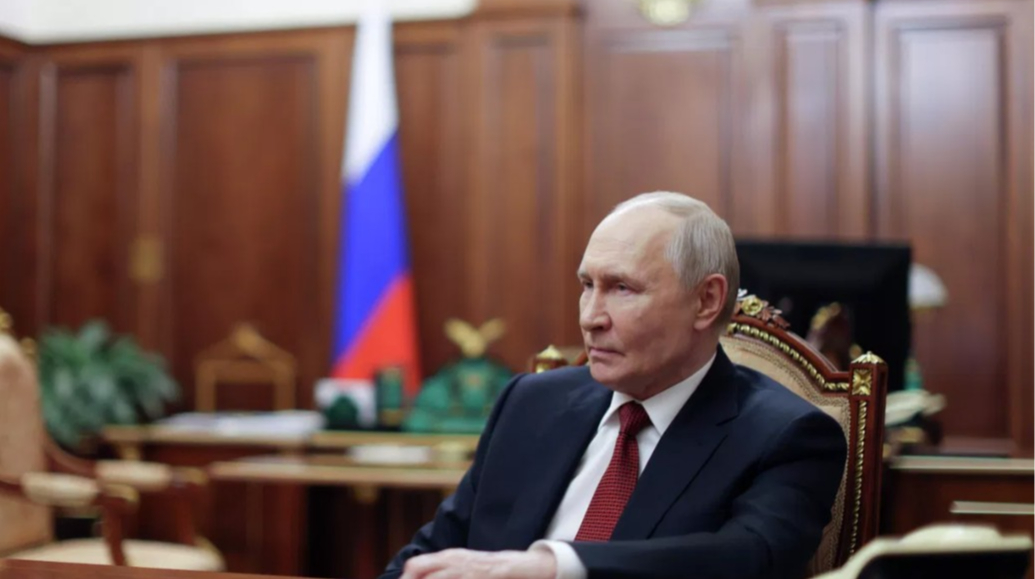
President Vladimir Putin responded on 24 August by signing a decree that allows the state to temporarily take over management of critical infrastructure facilities — including logistics centres, fuel depots, and energy assets — if owners fail to protect them from drone attacks or are slow to repair them after a strike. The decree applies to both Russian and foreign entities, and the Federal Agency for State Property Management will act as the temporary manager by default. Source: Ukrainska Pravda
Meanwhile, the Coalition of the Willing — a group of allied nations — met in Kyiv on 24 August and issued a joint statement agreeing to “step up military support to Ukraine, strengthen its air defence as a matter of urgent priority, enhance cooperation with its defence industry, and share relevant technologies.” The leaders also committed to imposing new sanctions on Russia’s military-industrial complex and countering the shadow fleet that Moscow uses to evade oil export restrictions. Source: Ukrainska Pravda
Russia did not let the day pass without military action. On the night of 24–25 August, a drone attack struck a 16-storey residential building in Kyiv’s Holosiivskyi district, blowing out windows on the 13th floor and causing a partial wall collapse. Source: Ukrainska Pravda On the morning of 25 August, a Russian guided aerial bomb killed two people in Zaporizhzhia. Source: Ukrainska Pravda
Russia also launched a Soyuz-2.1 rocket carrying a military satellite from the Arkhangelsk region. Analysts believe the satellite is intended to increase Russian surveillance coverage over Ukraine, providing real-time targeting data for strikes. Source: Al Jazeera
On the Black Sea, President Zelenskyy acknowledged that Russia is attempting a total blockade of Ukraine’s maritime corridor, but said three to four ships still enter and leave Odesa daily despite constant strikes on port infrastructure. He noted that Russia has rejected a mutual halt to attacks on civilian vessels, insisting the deal must also cover Russian oil infrastructure. Source: Ukrainska Pravda
For the technically literate audience, the key takeaway is this: the UK’s technology transfer represents a concrete shift in the West’s willingness to let Ukraine build its own precision-strike capability, rather than simply donate weapons. Combined with an ever-expanding domestic drone industry that is already reaching deep into Russian logistics networks, Ukraine is slowly moving from a model of allied dependency toward one of indigenous production. The question now is speed — how fast can Ukrainian factories tool up for Storm Shadow components, and whether the Coalition of the Willing’s pledges on technology sharing will translate into actual production lines before Russian satellite coverage and state-managed infrastructure protection close the window.
Sources
- Burnham hands secret missile technology to Ukraine in first foreign trip - The Latest August 24, 2026
- Video: Russia launches rocket into space with military satellite August 24, 2026
- Putin orders protection of logistics and fuel-energy sector from drones, enables state control if owners fail August 24, 2026
- The Guardian view on Britain helping Ukraine: build the weapons independence Kyiv needs | Editorial August 24, 2026
- Air defence, sanctions and multinational forces: what Coalition of the Willing agreed on in Kyiv August 24, 2026
- Zelenskyy denies that Ukraine's Black Sea corridor is completely blocked August 24, 2026
- Ukraine war briefing: Ozon next in Kyiv’s sights as sheds of Wildberries rival burn August 25, 2026
- Russian drone attack damages 16-storey building in Kyiv August 24, 2026
- Two killed in Russian guided bomb strike on Zaporizhzhia August 25, 2026
- Reader Q&A: ask international correspondent Luke Harding a question now August 25, 2026
Part of the dossier
Russia-Ukraine War →