Ukraine’s drone campaign forces Russian state seizure of logistics as UK hands over missile tech
Ukraine's drone campaign is forcing Russia to nationalize logistics infrastructure as Ozon shares crash. UK declassifies Storm Shadow tech for domestic Ukrainian production. Europe faces critical Patriot shortage.
For engineers and founders tracking the intersection of war and technology, two developments this week mark a shift in how the Russia-Ukraine war is being fought — and what it means for supply chains, defense production, and state control.
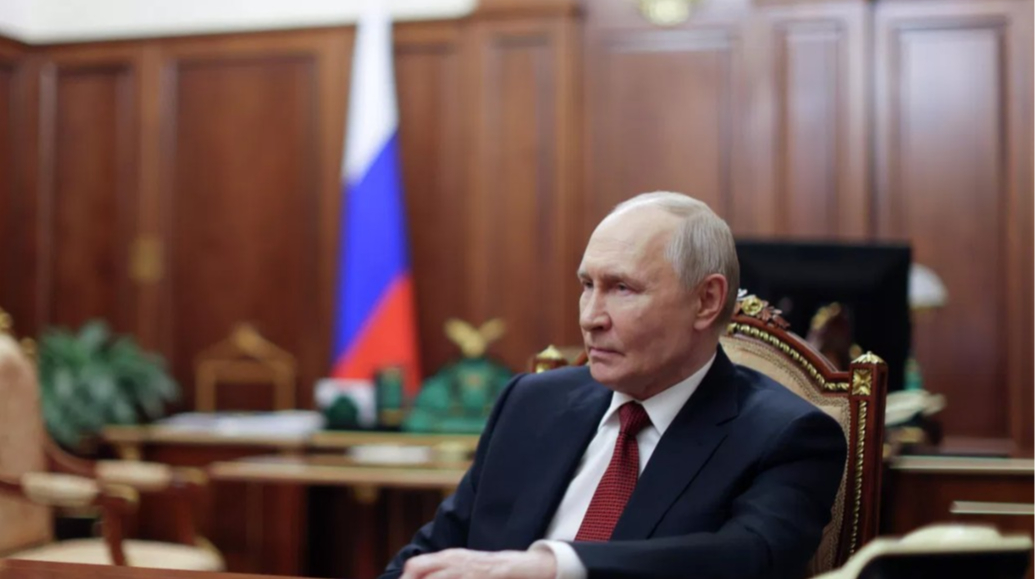
First, President Vladimir Putin signed a decree on 24 August that allows the Russian state to seize control of any critical infrastructure facility — from e-commerce warehouses to oil refineries — if the owner fails to protect it adequately from Ukrainian drone strikes. The decree, published by Kremlin-aligned Interfax, targets fuel and energy facilities, transport and logistics complexes, and communications infrastructure. The state can take over physical assets, securities, and property rights if owners are judged to have been ineffective in preventing drone attacks or slow to repair damage. Source: Ukrainska Pravda
The move comes as Ukraine’s long-range drone campaign has crippled Russian e-commerce logistics. Ozon, Russia’s second-largest online retailer, saw its shares fall by nearly 30% on 25 August after drone strikes hit six of its warehouses in three days, including a logistics hub in Makhachkala that caught fire. Wildberries, the market leader, has already seen several of its facilities burned to the ground. Unlike Wildberries, which has state-backed bank VTB as a shareholder, Ozon’s main investor AFK Sistema carries heavy debt and is unlikely to bail it out. Source: The Guardian
Russia’s oil exports have fallen to their lowest in six years — 3.46 million barrels per day in the four weeks to 23 August, according to Bloomberg — as Ukrainian strikes on refineries, Black Sea ports, and tankers reduce both production and shipping capacity. Moscow has been forced to redirect Kazakh oil to Novorossiysk and rely more on the Baltic port of Ust-Luga, while domestic fuel shortages have led to export bans on petrol, diesel, and aviation fuel. Source: Ukrainska Pravda
On the technology transfer front, UK Prime Minister Andy Burnham used his first foreign trip to Kyiv on Ukraine’s Independence Day to announce that Britain will declassify information on components of the Storm Shadow cruise missile — allowing Ukraine to assemble the weapon domestically. This is not just another weapon shipment; it’s a step toward Ukrainian weapons independence. The Guardian’s editorial notes that Kyiv has been at the mercy of allies for replenishing stockpiles. Producing its own hi-tech missiles gives Ukraine greater freedom of action. Source: The Guardian
Meanwhile, Europe faces a “beyond critical” shortage of Patriot interceptor missiles, according to a US Defense Department representative speaking to the Associated Press. The crisis is exacerbated by the US war with Iran, which has drawn American missile stockpiles from Europe to the Middle East. A NATO representative confirmed that Patriot stockpiles in Europe are insufficient to defend against a sustained Russian missile attack. Ukraine received a small batch of Patriots recently, but President Zelenskyy said Kyiv needs 5% of US Patriot production to meet its needs and has only been receiving 1%. Source: Ukrainska Pravda
On the battlefield, Zelenskyy appointed two of Ukraine’s most prominent commanders — Andrii Biletskyi of the Third Army Corps and Denys Prokopenko of the Azov Corps — to oversee the “fortress belt” of Donetsk cities (Kostiantynivka, Kramatorsk, Sloviansk) that are under growing Russian pressure. Ukrainian drone forces commander Robert Brovdi praised the move as a step toward “network-centric warfare.” Source: The Guardian
Russia launched a military satellite on a Soyuz-2.1 rocket from Arkhangelsk on 24 August, which experts believe is intended to improve reconnaissance coverage over Ukraine. Source: Al Jazeera
A Russian lieutenant colonel was killed by a car bomb in St Petersburg on 27 August, the latest in a series of attacks on military personnel inside Russia. Source: Al Jazeera
Mobilisation fears continue to grow inside Russia, with reports of plainclothes men forcing fighting-age men into vehicles to take them to recruitment centres. Source: Al Jazeera
The Kremlin has rejected any proposal for a buffer zone in Donbas, with spokesman Dmitry Peskov insisting the region “belongs to Russia.” Source: Ukrainska Pravda
Sources
- Burnham hands secret missile technology to Ukraine in first foreign trip - The Latest August 24, 2026
- Video: Russia launches rocket into space with military satellite August 24, 2026
- Putin orders protection of logistics and fuel-energy sector from drones, enables state control if owners fail August 24, 2026
- The Guardian view on Britain helping Ukraine: build the weapons independence Kyiv needs | Editorial August 24, 2026
- Air defence, sanctions and multinational forces: what Coalition of the Willing agreed on in Kyiv August 24, 2026
- Ukraine war briefing: Reboot of ‘fortress belt’ defences as Zelenskyy visits frontline August 27, 2026
- Zelenskyy denies that Ukraine's Black Sea corridor is completely blocked August 24, 2026
- Ukraine war briefing: Ozon next in Kyiv’s sights as sheds of Wildberries rival burn August 25, 2026
- Russian drone attack damages 16-storey building in Kyiv August 24, 2026
- Two killed in Russian guided bomb strike on Zaporizhzhia August 25, 2026
- Reader Q&A: ask international correspondent Luke Harding a question now August 25, 2026
- Russia attacks Ukraine with 150 drones and two missiles overnight, air defence destroy 124 UAVs August 25, 2026
- Russian drone hits passenger train in Mykolaiv Oblast August 25, 2026
- From "poor, corrupt Ukraine" to EU candidate: how Italy won over Germany and opened the EU’s door to Kyiv August 25, 2026
- Kremlin rejects idea of "buffer zone" in Donbas, saying region "belongs to Russia" August 25, 2026
- Russia mobilisation fears grow amid reports of intimidating tactics August 25, 2026
- Russia unable to export oil as refineries can no longer process it after Ukrainian strikes August 25, 2026
- Ukraine war briefing: Small batch of Patriots arrives as Zelenskyy pleads for more August 26, 2026
- Dozens killed in rebel attacks on Sudan’s Kordofan, medical group says August 26, 2026
- Seven injured, including three children, in Russian attacks on Zaporizhzhia and surrounding area August 27, 2026
- Military threat to Estonia from Russia unchanged after CIA chief's Moscow visit – Estonian Foreign Ministry August 27, 2026
- Russian military serviceman killed in St Petersburg car blast August 27, 2026
- AP: Europe faces "beyond critical" Patriot missile shortage August 27, 2026
- Russia loses 1,630 soldiers and more than 570 pieces of military equipment over past day August 28, 2026
- "Fair and logical": Sybiha thanks ministers for initiative on using frozen Russian assets for Ukraine August 28, 2026
Part of the dossier
Russia-Ukraine War →