Zelenskyy warns airlines: Russia's skies are 'completely unsafe' as Ukraine's drone campaign escalates
Zelenskyy warns airlines Russian airspace is unsafe due to massive Ukrainian drone operations. Russia's oil refining and e-commerce logistics are crippled; Putin signs decree to seize vulnerable infrastructure. Starlink permission awaits White House decision. Europe faces critical Patriot missile shortage.
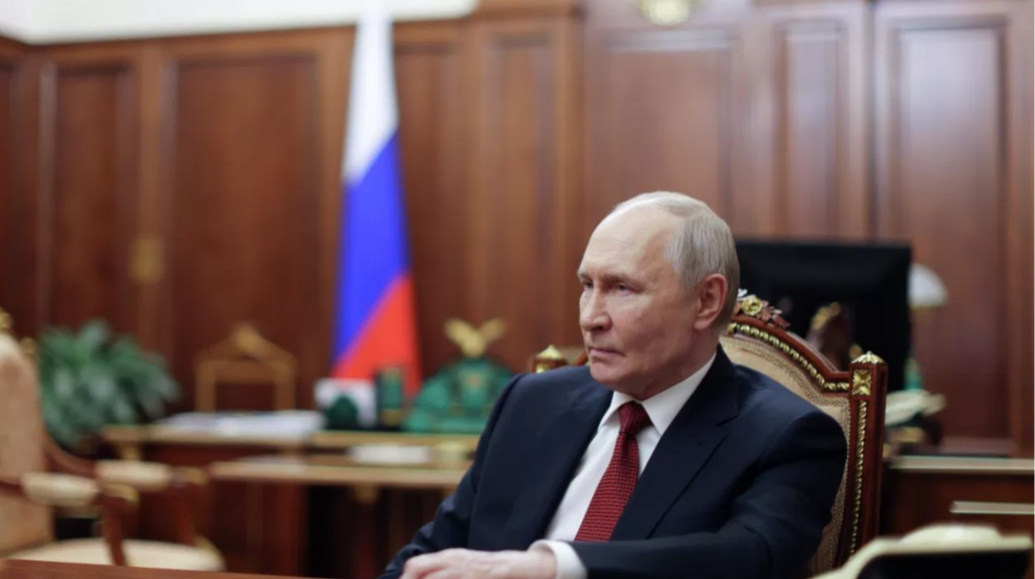
Ukraine's president Volodymyr Zelenskyy has issued a direct warning to airlines and passengers against using Russian airspace, saying it will be filled with Ukrainian drones for the duration of the war. The statement – which Putin called 'a declaration of state terrorism' – marks a new phase in Ukraine's long-range strike campaign, one that is already reshaping Russia's logistics, fuel supply, and infrastructure ownership.
'Today, we want to warn every airline that uses Russian airspace, every insurer, and everyone who still uses Russia's key airports: Russian airspace is becoming completely unsafe,' Zelenskyy said. 'Ukraine does not threaten civilian aviation as such – not a single civilian aircraft. There will simply be drones in Russia's skies on a scale that has to be taken into account.' (The Guardian)
What this means for the war
Ukraine has been steadily expanding its drone operations deep inside Russia. In the past week alone, Ukrainian drones struck the Afipsky oil refinery in Krasnodar, two gas separation units at the Astrakhan gas processing plant, and a Lukoil refinery in Kstovo, Nizhny Novgorod region – setting it on fire (The Guardian). The strikes have knocked out more than 30% of Russia's oil refining capacity, forcing Moscow to ban diesel, petrol, and jet fuel exports through at least September (The Guardian).
Russia's e-commerce logistics are also being crippled. Shares of Ozon, Russia's second-largest online retailer, fell nearly 30% after six of its warehouses were hit in three days. A logistics hub in Makhachkala (Dagestan) was set on fire, halting operations, and another in Enem (Krasnodar) burned. Workers were evacuated from warehouses in Adygeysk and Nevinnomyssk. Earlier, Wildberries – the largest retailer – lost a warehouse to a drone strike in the Tambov region (The Guardian).
Putin's response: state seizure of unprotected infrastructure
Putin signed a decree on 24 August allowing the Russian state to seize control of critical infrastructure – including fuel, energy, transport, and logistics facilities – if the owners fail to protect them from drone attacks or are slow to repair damage. The Federal Agency for State Property Management will act as temporary manager (Ukrainska Pravda). The decree explicitly targets businesses that cannot ensure security, effectively nationalising assets that Ukrainian drones have made vulnerable.
Starlink: waiting on the White House
Elon Musk has told Ukraine's former defence minister Mykhailo Fedorov that he is willing to allow Ukraine to use Starlink systems beyond its borders for strikes on Russian targets, but said the decision must come from the White House. Fedorov declined to comment on the conversations (Financial Times via Ukrainska Pravda). The question of whether Starlink – already critical for Ukraine's battlefield communications – will be authorised for offensive drone operations over Russia is now a political one, with implications for every drone campaign.
Patriot shortage: 'beyond critical'
Europe is facing a 'beyond critical' shortage of Patriot interceptor missiles, according to US Defense Department and NATO officials speaking anonymously to the Associated Press. The crisis is partly attributed to the US war with Iran, which has drawn American missile stockpiles out of Europe. A Pentagon source said NATO forces in Europe would be forced to 'take punch after punch in the mouth' in the event of a Russian missile strike (Ukrainska Pravda). Ukraine has been receiving only 1% of US Patriot production, while Zelenskyy says it needs 5%.
UK hands over Storm Shadow tech
Prime Minister Andy Burnham marked Ukraine's independence day by declassifying information on the components of the Storm Shadow cruise missile (the French version is SCALP), enabling Ukraine to assemble the missiles domestically. The Guardian's editorial called it a 'measure of weapons independence' (The Guardian). This is a concrete shift: Ukraine is moving from receiving weapons to producing them.
Russian losses and infrastructure damage
Russia's daily personnel losses continue to hover around 1,400–1,630 killed and wounded, according to Ukraine's General Staff. Total losses since February 2022 are now estimated at 1,486,600 troops (Ukrainska Pravda). On the ground, Russia is stepping up pressure on the Donetsk 'fortress belt' cities of Kostiantynivka, Kramatorsk, and Sloviansk, using air and artillery strikes. Ukraine has appointed Andrii Biletskyi and Denys Prokopenko to oversee defences there, a move analysts say enables network-centric warfare (The Guardian).
Meanwhile, Russia is also targeting Ukraine's railway infrastructure: six railway workers were killed in a ballistic missile strike on a locomotive depot in Kyiv on Tuesday. The state railway Ukrzaliznytsia has been a lifeline for civilians and military logistics. In a separate attack, a Russian drone hit a passenger train in Mykolaiv Oblast, but no casualties were reported thanks to advance evacuation warnings (Ukrainska Pravda).
The human cost
A Russian lieutenant colonel was killed in a car blast in St Petersburg, the latest in a series of assassinations targeting Russian military personnel (Al Jazeera). Ukrainian authorities reported seven injured, including three children, in Russian strikes on Zaporizhzhia (Ukrainska Pravda). Russian forces also destroyed a warehouse containing books from Ukraine's leading children's literature publisher, A-BA-BA-HA-LA-MA-HA, adding to the destruction of roughly 33% of Ukraine's annual book output in recent months (Ukrainska Pravda).
What's next
The White House decision on Starlink will determine whether Ukraine can extend its drone reach deeper into Russia. The Patriot shortage leaves European air defences thin. And the UK's tech transfer is a model for how allies can reduce Ukraine's dependency on foreign weapon stockpiles. For engineers and founders watching this war: the drone campaign is pushing Russia to nationalise infrastructure, fuel export bans are tightening, and the next big shift may come from a single political decision in Washington.
Sources
- Burnham hands secret missile technology to Ukraine in first foreign trip - The Latest August 24, 2026
- Video: Russia launches rocket into space with military satellite August 24, 2026
- Putin orders protection of logistics and fuel-energy sector from drones, enables state control if owners fail August 24, 2026
- The Guardian view on Britain helping Ukraine: build the weapons independence Kyiv needs | Editorial August 24, 2026
- Air defence, sanctions and multinational forces: what Coalition of the Willing agreed on in Kyiv August 24, 2026
- Ukraine war briefing: Reboot of ‘fortress belt’ defences as Zelenskyy visits frontline August 27, 2026
- Zelenskyy denies that Ukraine's Black Sea corridor is completely blocked August 24, 2026
- Ukraine war briefing: Ozon next in Kyiv’s sights as sheds of Wildberries rival burn August 25, 2026
- Russian drone attack damages 16-storey building in Kyiv August 24, 2026
- Two killed in Russian guided bomb strike on Zaporizhzhia August 25, 2026
- Reader Q&A: ask international correspondent Luke Harding a question now August 25, 2026
- Russia attacks Ukraine with 150 drones and two missiles overnight, air defence destroy 124 UAVs August 25, 2026
- Russian drone hits passenger train in Mykolaiv Oblast August 25, 2026
- From "poor, corrupt Ukraine" to EU candidate: how Italy won over Germany and opened the EU’s door to Kyiv August 25, 2026
- Kremlin rejects idea of "buffer zone" in Donbas, saying region "belongs to Russia" August 25, 2026
- Russia mobilisation fears grow amid reports of intimidating tactics August 25, 2026
- Russia unable to export oil as refineries can no longer process it after Ukrainian strikes August 25, 2026
- Ukraine war briefing: Small batch of Patriots arrives as Zelenskyy pleads for more August 26, 2026
- Dozens killed in rebel attacks on Sudan’s Kordofan, medical group says August 26, 2026
- Seven injured, including three children, in Russian attacks on Zaporizhzhia and surrounding area August 27, 2026
- Military threat to Estonia from Russia unchanged after CIA chief's Moscow visit – Estonian Foreign Ministry August 27, 2026
- Russian military serviceman killed in St Petersburg car blast August 27, 2026
- AP: Europe faces "beyond critical" Patriot missile shortage August 27, 2026
- Russia loses 1,630 soldiers and more than 570 pieces of military equipment over past day August 28, 2026
- "Fair and logical": Sybiha thanks ministers for initiative on using frozen Russian assets for Ukraine August 28, 2026
- Russia destroys warehouse containing books of Ukraine's leading children's literature publisher August 28, 2026
- Russia loses 1,420 soldiers killed and wounded over past day August 29, 2026
- Putin comes up with new justification for war against Ukraine: because killer whales eat polar bears August 29, 2026
- Russia loses 1,400 soldiers killed and wounded over past day August 30, 2026
- FT: Musk willing to allow Starlink use in Russia, but needs Trump's decision August 31, 2026
- Ukraine war briefing: Russian sky full of our drones and not safe, Zelenskyy warns airlines September 2, 2026
Part of the dossier
Russia-Ukraine War →